
.png)
.png)
.png)

.png)
.png)
.png)
.png)

.png)
.png)
















.jpg)
Beyond Promises: Examining the Clinical Evidence for Osstem Implant Systems
For the discerning dental professional, choosing an implant system is a decision rooted in clinical evidence, not just marketing. Long-term survival rates are the ultimate benchmark of an implant's reliability and a practice's reputation. At Osstem UK, we believe in transparency and trust, built on the foundation of robust, independent research. This article delves into the long-term data behind Osstem Implants, giving you the clinical confidence to make an informed choice for your patients and your practice.
The Gold Standard: Osstem's Cumulative Survival Rate
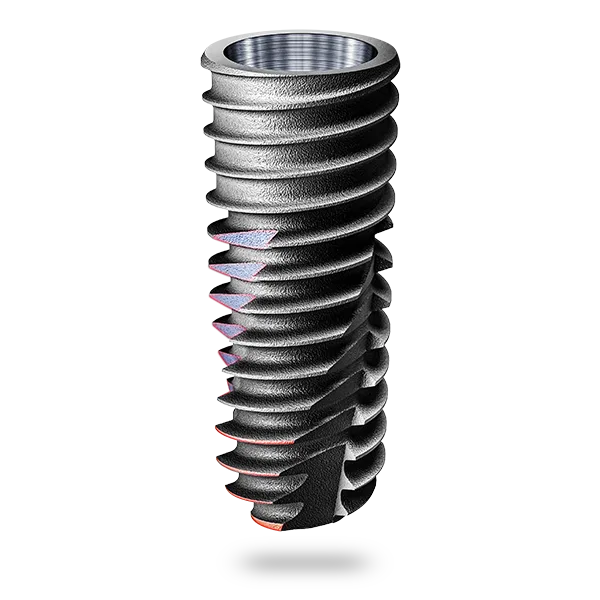
A pivotal 7-year retrospective study, following over 4,000 implants, demonstrated a remarkable cumulative survival rate (CSR) of 95.37%. This figure isn't just a number; it represents predictable, successful outcomes in a vast range of clinical situations. This high CSR is a testament to the fundamental design and biocompatibility of the Osstem system, providing a level of predictability that allows clinicians to plan with assurance.
When examining cases that required additional complexity, such as bone grafting, the performance remains exceptionally strong. The data shows no statistically significant difference in survival rates between grafted and non-grafted sites. This is crucial for UK practices, as it underscores the system's versatility and reliability in managing the diverse anatomical presentations seen in patients every day.
The Hydrophilic Advantage: Accelerating Healing, Ensuring Success
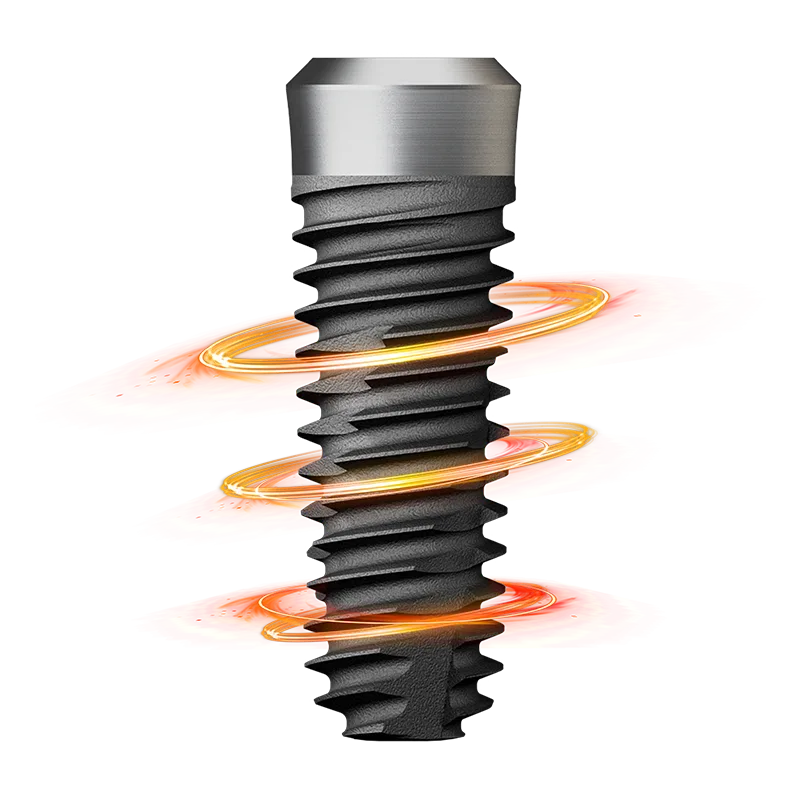
A significant leap in implant technology has been the development of surface treatments that actively encourage osseointegration. Osstem's CA (Calcium-incorporated) hydrophilic surface represents this next generation.
Research focusing specifically on these hydrophilic implants reveals an even higher 5-year survival rate of 97.3%. The "hydrophilic" nature means the implant surface attracts water and, crucially, proteins and osteoblasts, leading to faster bone healing. Studies have shown that this surface can achieve a Bone-to-Implant Contact (BIC) ratio up to 30% higher in the critical early healing phase compared to traditional surfaces. For your practice, this translates to a potentially shorter healing time for patients and a stronger, more stable integration from the outset.
.jpg)
What This Evidence Means for Your UK Practice
This collective body of evidence is not merely for academic interest. It translates directly into daily practice benefits:
- Confidence in Treatment Planning: You can recommend implant treatment with the backing of proven, long-term data.
- Predictable Outcomes: High survival rates reduce the risk of unforeseen complications, protecting your practice's outcomes and reputation.
- Patient Assurance: Being able to quote independent, long-term survival rates is a powerful tool in building patient trust and obtaining informed consent.
Choosing Osstem is a decision supported by compelling clinical evidence. With a documented 7-year CSR of 95.37% and advanced hydrophilic surfaces pushing success rates even higher, Osstem provides the reliable foundation UK dentists need for exceptional patient care.